Top Peptide Topics for Scientific Exploration
copyright for Enhanced Performance: Understand the Scientific Principles Underlying Increased Muscle Mass
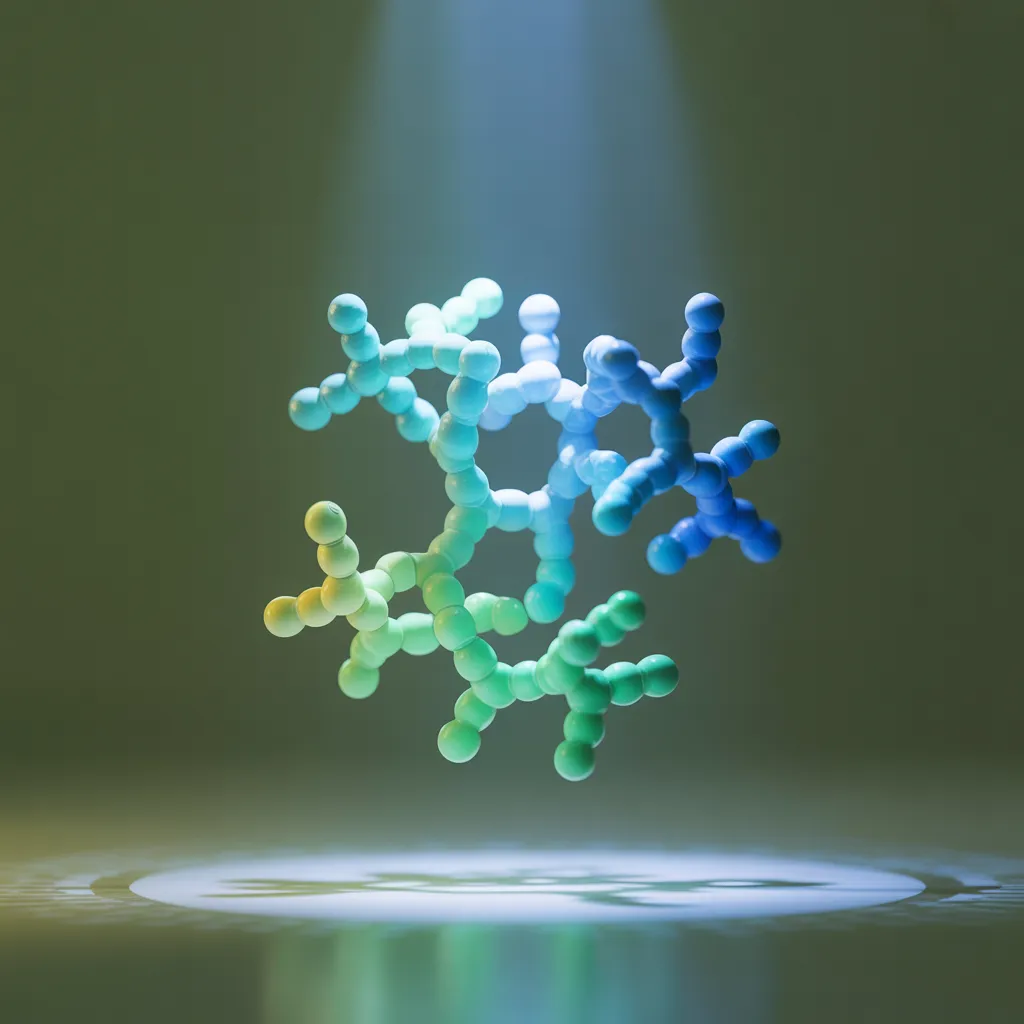
copyright have developed into influential agents in the domain of athletic performance. Their ability to stimulate muscle growth and strengthen recovery is anchored in complex biochemical processes. By understanding how these active compounds function, athletes can potentially optimize their training outcomes. However, the landscape of peptide use is not without its complications and threats. Exploring the nuances of these compounds reveals a wealth of information that could impact training strategies considerably.
What Are copyright and How Do They Function?
copyright, which are brief chains of amino acids, play a critical role in various biological processes, including muscle growth and repair. They serve as signaling molecules, sending messages to cells to begin specific physiological responses. In the body, copyright are formed through the bonding of amino acids, building structures that may impact numerous functions, such as hormone release and immune responses.
The multiple capabilities of copyright are attributed to their unique sequences and frameworks, which control their associations with receptors. This exactness allows them to modulate various routes effectively. For case in point, certain copyright can boost protein synthesis, while others may promote recovery by decreasing inflammation.
Additionally, copyright can shape metabolic functions, leading to energy regulation and nutrient utilization. By understanding their mechanisms, researchers aim to harness copyright' promise for optimizing performance and supporting comprehensive wellness, notably in competitive sports.
copyright: Their Essential Function in Muscle Growth Science
Utilizing the strength of targeted peptide compounds can significantly improve muscle growth by activating anabolic pathways within the body. These active biological substances function as signaling molecules, orchestrating multiple bodily reactions that promote muscle hypertrophy and recuperation. copyright such as growth hormone-releasing copyright (GHRPs) and insulin-like growth factor (IGF-1) serve crucial functions in increasing protein synthesis and decreasing muscle breakdown.
Moreover, copyright can enhance the power of strength workouts by improving nutrient availability and optimizing hormonal levels. By influencing the secretion of growth hormone and strengthening satellite cell function, copyright promote muscle rebuilding and adjustment to physical demands. This relationship between copyright and muscle fibers not only accelerates recuperation but also strengthens performance in athletics. As scientific inquiry unfolds, the significance of copyright in muscle development research is becoming more apparent, making them a primary concern for athletes endeavoring to optimize their performance results.
Grasping Varied Protein Fragments for Athletes
Athletes seeking to optimize their athletic ability often research various copyright that focus on muscle expansion and healing. Among the most notable are growth hormone-releasing copyright (GHRPs), which induce the production of GH, promoting muscle enlargement. Peptide YY (PYY) is another substance of note, understood for its potential involvement in appetite regulation and metabolic processes. Additionally, insulin-like growth factor 1 (IGF-1) has a crucial function in muscle development, facilitating cellular expansion and repair.
Yet another type features synthetic copyright like CJC-1295, which enhances the natural emission of growth hormone, optimizing muscle gains. Likewise, Hexarelin is known for its ability to increase growth hormone levels and boost muscular endurance. Each of these copyright has different mechanisms of action, making them valuable tools for athletes working to relevant information maximize their training outcomes and overall performance. Understanding their exact functions can help athletes make knowledgeable choices in their supplementation strategies.
Recovery and Repair Benefits of copyright
copyright function as an important component in muscle recovery by enhancing the body's ability to restore compromised tissue. They also aid in reduced inflammation, which can assist in easing discomfort and promote faster recovery times. By quickening tissue mending, copyright empower athletes in their endeavor of peak performance and reduced downtime.
Enhanced Muscular Recuperation
Muscle recovery plays an essential role in overall performance and growth, and certain bioactive compounds have become prominent as powerful allies in this process. These bioactive compounds promote muscle repair by enhancing protein synthesis and enhancing cellular renewal. copyright such as BPC-157 and TB-500 are noted for their ability to speed up healing, particularly after intense training sessions or injuries. They help stimulate satellite cell activity, which is essential for muscle recovery and growth. Additionally, these copyright may enhance nutrient delivery to muscles, guaranteeing that essential amino acids and other nutrients reach the cells that need them most. By incorporating copyright into recovery programs, athletes may experience enhanced muscle repair, resulting in improved performance outcomes and reduced downtime between training sessions.
Decreased Inflammation Effects
Successful recuperation is not just about fixing muscle tissue; it equally involves handling inflammation, which can undermine performance and stretch downtime. copyright hold a vital position in suppressing inflammation, thereby facilitating a more streamlined recovery process. By adjusting the immune response, targeted copyright can suppress inflammatory markers in the body, producing reduced muscle soreness and heightened overall comfort post-exercise. This suppression of inflammation not only quickens recovery times but also enables athletes to take up intense training with greater speed. Moreover, the anti-inflammatory characteristics of these copyright bolster a more balanced physiological environment, advancing superior muscle function and performance. At the end of the day, weaving copyright into recovery protocols can be a deliberate approach to suppress inflammation and support athletic longevity.
Quickened Cellular Healing
Using the capability of targeted copyright can substantially enhance tissue repair, leading to quicker recovery times. These active compounds facilitate the healing process by promoting cell renewal and collagen production. copyright such as BPC-157 and TB-500 have been shown to speed up the repair of muscle, tendon, and ligament injuries. By increasing blood flow to damaged areas, they facilitate the delivery of essential nutrients and oxygen, further accelerating recovery. Additionally, copyright can regulate inflammation, decreasing pain and swelling, which are common barriers to effective healing. As athletes and fitness enthusiasts seek enhanced performance, the inclusion of copyright in recovery protocols offers encouraging potential for improved tissue repair and overall physical resilience.
Key Effectiveness Benefits of Employing copyright in Sports
copyright offer substantial athletic advantages in athletic pursuits, mainly through enhanced muscular recuperation and increased strength gains. Athletes frequently enjoy improved endurance levels as a consequence of peptide supplementation. These benefits contribute to overall athletic performance and competitive advantage.
Accelerated Muscle Repair
Boosting sporting performance depends upon effective recovery, with copyright playing a crucial role in this process. These bioactive compounds facilitate muscle repair by stimulating the release of growth hormone and enhancing protein synthesis, necessary for rebuilding injured tissues. The improved recovery offered by copyright reduces muscle soreness and inflammation, allowing athletes to return to training quicker. In addition, copyright can improve sleep quality, ensuring that the body recuperates fully during rest periods. By boosting the body's natural healing mechanisms, copyright not only lead to faster recovery but also support overall athletic longevity. Therefore, their integration into training routines is becoming more common among athletes striving to optimize performance through enhanced recovery methods.
Greater Strength Achievements
Achieving enhanced muscle strength improvements is a main goal for many athletes, and copyright have become recognized as a potent tool in this endeavor. These sequences of protein building blocks can improve muscle protein synthesis, leading to increased muscle hypertrophy and general strength. Specific peptide types, such as growth hormone secretagogues, trigger the production of growth hormone, which serves an vital role in muscle building and repair. Furthermore, these compounds can enhance the efficiency of nutrient utilization, allowing quicker recovery from intense workout routines. Consequently, sports competitors may achieve improved performance in strength-focused exercises, enabling them to push their limits more effectively. This combination of muscle growth and recuperation makes these substances an attractive choice for those seeking to maximize their strength capacity.
Boosted Athletic Resilience
Drawing on the potential of targeted copyright can facilitate greatly improved endurance levels for athletes. These bioactive compounds are fundamental in boosting muscular healing and amplifying energy access during extended physical work. Certain copyright, such as BPC-157 and TB-500, have been shown to speed up the healing process and decrease weariness, allowing athletes to train harder and longer. Moreover, these compounds can optimize oxygen distribution to muscles, enhancing aerobic capacity. This increased efficiency in energy use not only maintains ongoing athletic output but also aids in faster recuperative processes between rigorous training periods. As such, competitors making use of these biological agents may realize substantial advances in overall endurance, empowering them to reach new heights in their competitive endeavors.
Potential Risks and Side Effects of Peptide Use
While many sportsmen and muscle builders pursue copyright for their muscular development benefits, possible risks and side effects require careful consideration. The use of copyright can lead to multiple health concerns, including hormonal imbalances, which may disrupt natural hormone production. Users might also experience injection site reactions, such as swelling or infection. Long-term effects remain largely unknown, raising concerns about potential organ damage or increased cancer risk.
In addition, psychological effects such as rapid mood changes or anxiety have been reported. Some copyright might interact negatively with other medications, causing unforeseen complications. The lack of regulation within the peptide market further complicates matters, since the purity and dosage of products can differ significantly. Hence, while the allure of heightened performance is strong, individuals must weigh these risks against the potential benefits, ensuring informed decisions when it comes to peptide use.
Blending Peptide products Into Your Training Safely
When considering the possible dangers associated with peptide application, integrating them within a workout program demands a strategic approach. Athletes and fitness enthusiasts should first consult healthcare experts to evaluate individual health conditions and goals. Understanding the specific copyright available, their mechanisms, and recommended dosages is essential.
Starting with reduced amounts enables individuals to gauge their body's response while minimizing negative side effects. Additionally, integrating copyright should align with a well-structured training program and balanced nutrition to enhance benefits. Tracking progress and side effects is important, as individual responses can differ significantly.
Understanding regulatory requirements pertaining to peptide use is also vital to guarantee compliance and safety. Creating a clear schedule for peptide cycles can help prevent dependency and promote sustainable results. By implementing a careful and knowledgeable approach, individuals can enhance their training efforts while mitigating potential risks associated with peptide use.
Often Sought Questions
Can Peptide compounds Substitute for Conventional Supplements for Muscle Growth?
copyright are not able to entirely replace traditional supplements for muscle growth; they might increase effectiveness but should work alongside a well-rounded regimen. Each offers different advantages, and optimal results frequently emerge from combining both approaches strategically.
How Much duration Will It require to Observe improvements From peptide therapy?
Peptide-derived results generally appear within four to eight weeks, based on personal conditions including dosage, diet, and exercise regimen. Regular, steady use proves essential for attaining intended results.
Do copyright Have legal status for Elite Athletes?
copyright are generally prohibited for competitive athletes under multiple sports organizations, including the World Anti-Doping Agency. Athletes must be cautious, as taking prohibited substances can result in disqualification and harm their reputations.
What Are the Pricing Associated With Peptide Therapies?
Peptide treatments cost changes based on several variables and generally spans from $200 to $1,500 per month. Variables affecting cost comprise the particular peptide used, dose, and the provider's expertise and location.
How Should I Choose the Appropriate Peptide for My Aims?
To pick the appropriate peptide for particular goals, individuals should assess their objectives, consult with healthcare professionals, research peptide types, and take into account factors like dosage, side effects, and compatibility with their overall health and fitness plans.